
Each month, Trail Manager Emily Galka highlights flora and fauna that she observes in the Goethe State Forest that surrounds the Black Prong Resort.
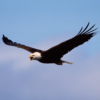
Goethe State Forest Species of the Month: Bald Eagle
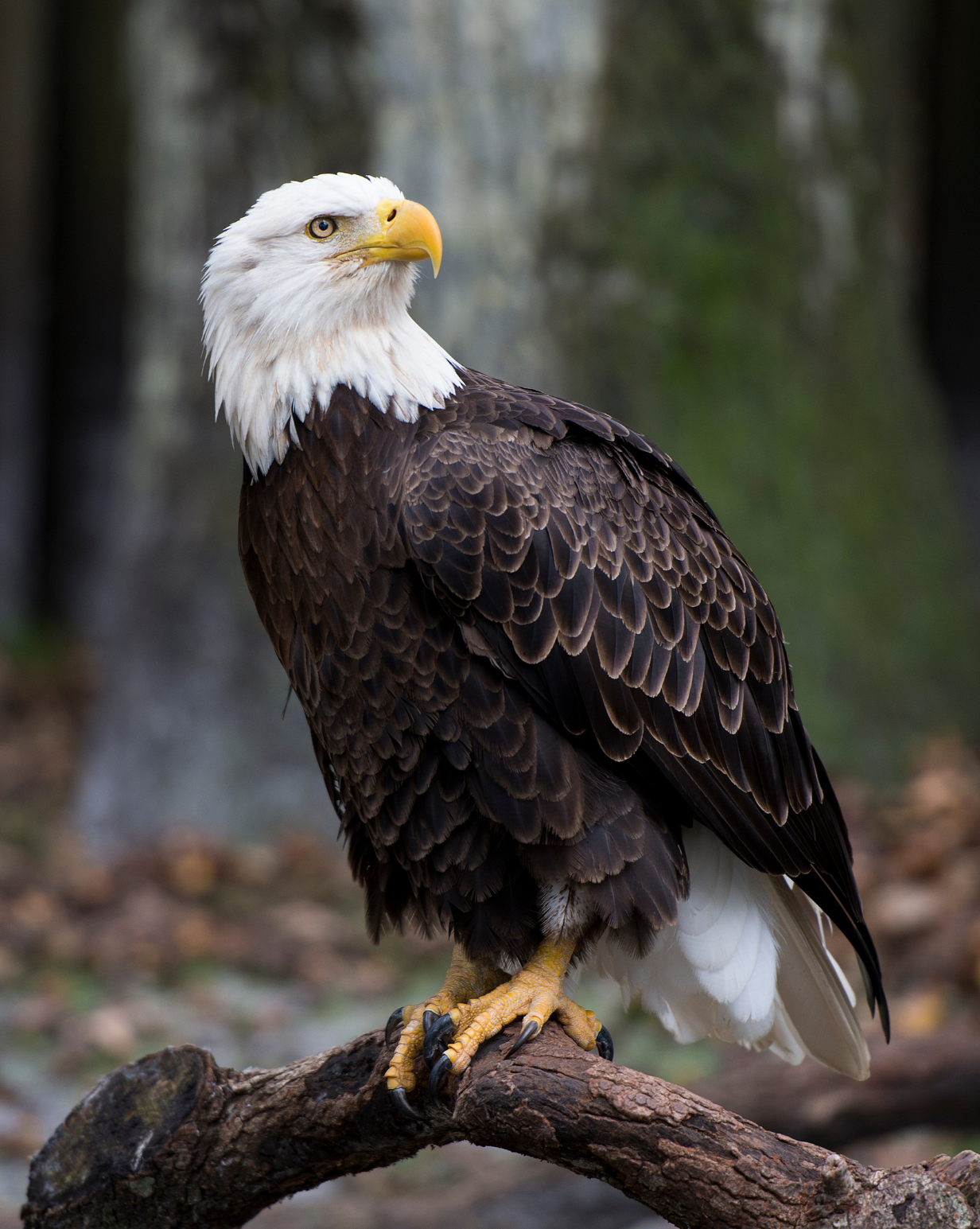
At the end of September, we introduced a new experience at Black Prong, Flight into Falconry. The falconry hosts brought several birds of prey, including Miss America, the bald eagle.
Earlier this year, during our nature and book speaker series, author Jack E. Davis spoke to us about the bald eagle and his book about the species, its ecology, and its relationship with American culture. Additionally, I have seen wild bald eagles soaring over the longleaf pines while out on the trails in the Goethe. The bald eagle has become a recurring character at Black Prong, both at special events and as a wild animal we may encounter on the trails. Because of this, I figured it was about time to write about them for my Species of the Month!
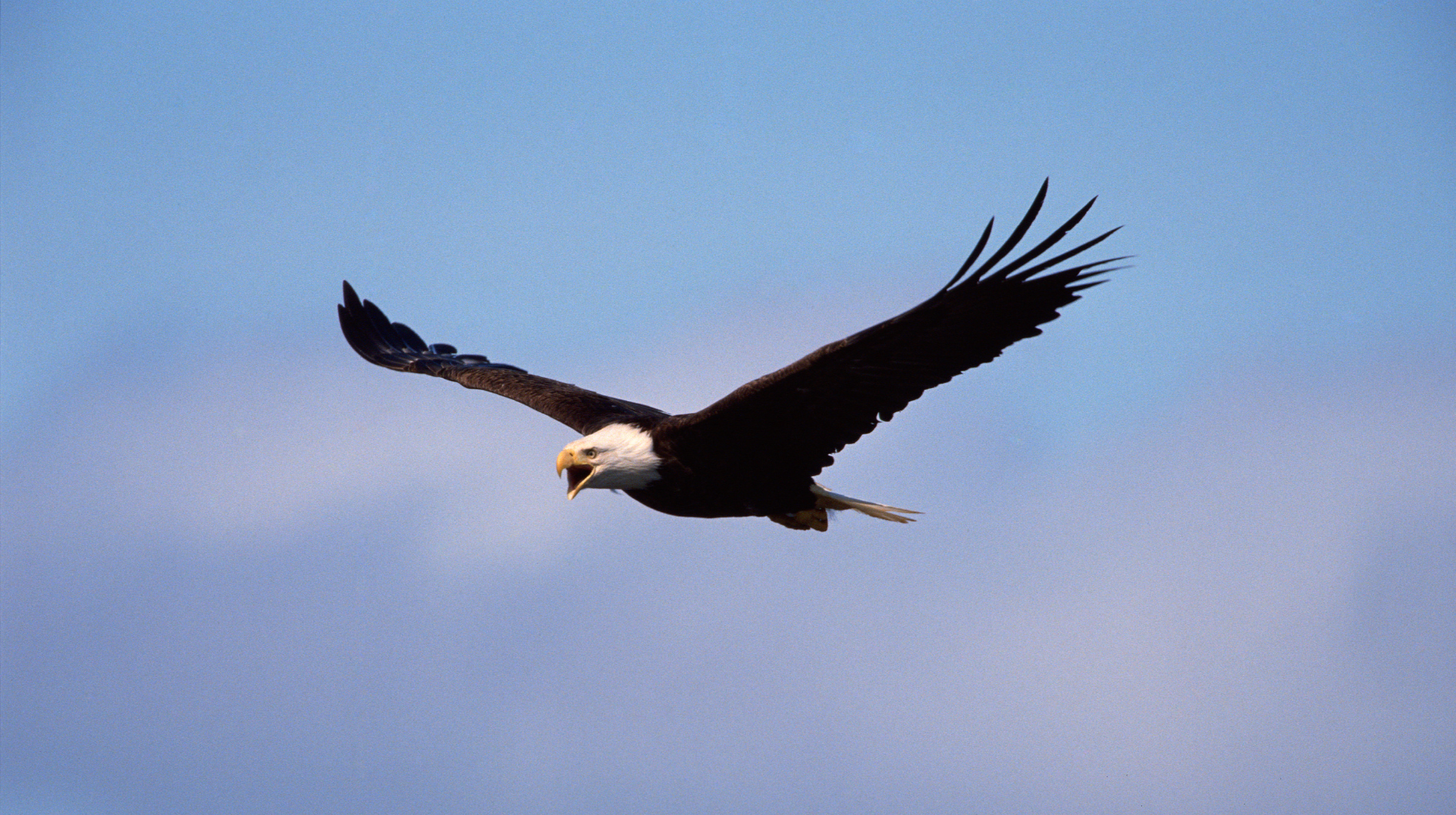
Bald eagles can be found across the United States, with the largest population in Alaska, though Florida also has one of the highest populations thanks to its abundance of suitable coastal and wetland habitat. At several points in history, their population was threatened by hunting, habitat loss, and pesticides, but with protections under the Endangered Species Act and other conservation efforts, they have since made a remarkable recovery.
Bald eagles typically live near bodies of water where fish are readily available. They are also known to be opportunistic scavengers and thieves; rather than catching a fish themselves, they may steal one from an osprey or take advantage of a fisherman’s catch. Bald eagles don’t get their iconic brown body, white head, and white tail until they are fully grown at around five years old. Before then, they tend to be mottled or speckled brown all over. They are also much bigger than people often realize, with adults having wingspans of around five to eight feet while usually weighing about 10 pounds. As large birds, they also build large nests, which can span several feet across and weigh hundreds of pounds. Pairs often return to the same nest year after year, adding more material each season.
Florida bald eagles typically nest from fall into spring, while eagles farther north generally nest later in the year. Once they hatch, eaglets grow incredibly quickly, going from tiny hatchlings to nearly adult-sized birds in just 10–12 weeks. The oldest known wild bald eagle lived to be 38 years old.
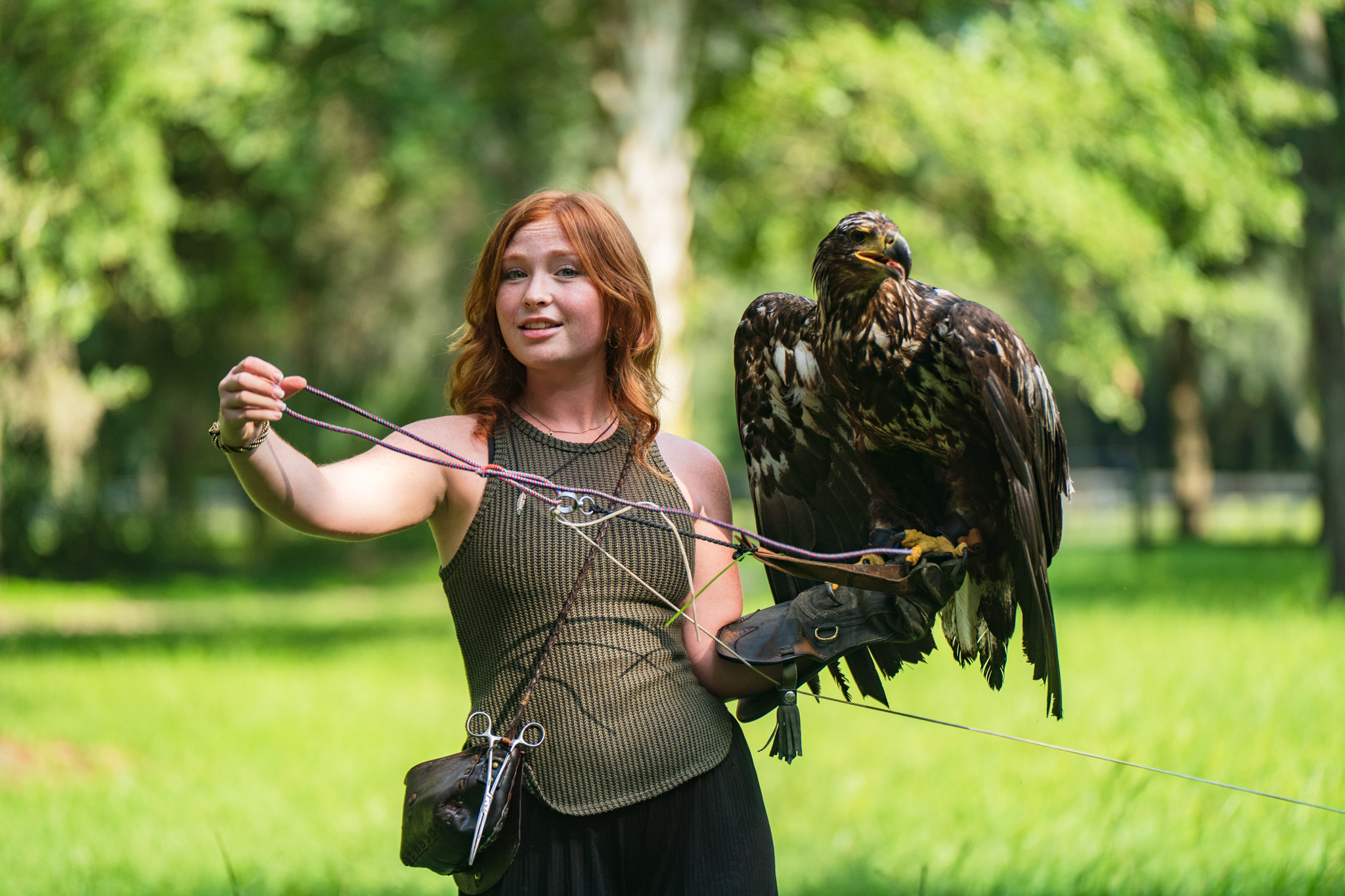
Bald eagles are always an impressive surprise to see soaring over the trails, and we are lucky enough to experience them both in the wild around Black Prong and as part of the special experiences held here.

Emily Galka (shown with her horse Lisa) is Black Prong’s Trail Riding Manager and resident naturalist.