
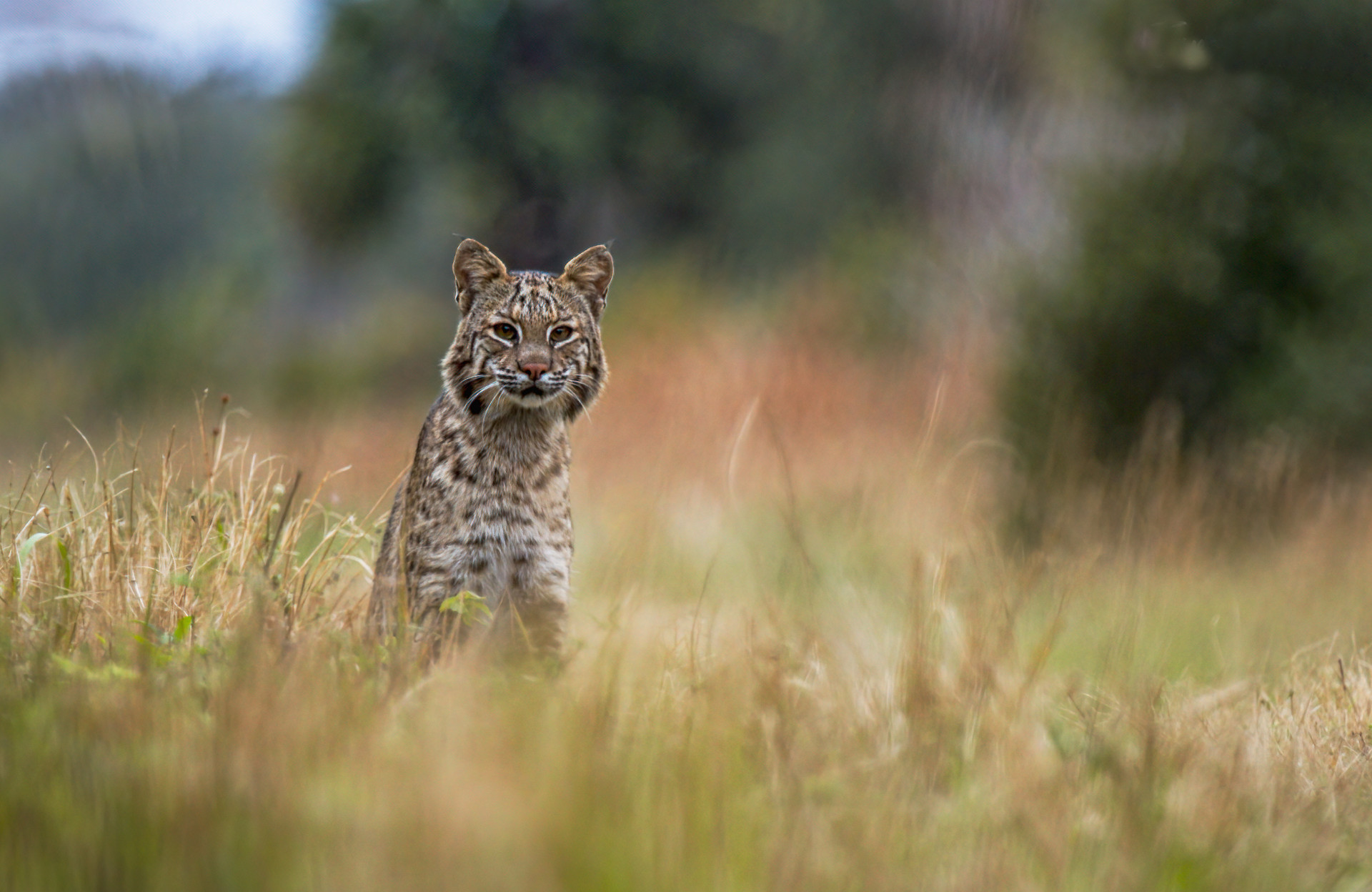
Each month, Trail Manager Emily Galka highlights flora and fauna that she observes in the Goethe State Forest that surrounds the Black Prong Resort.
Goethe State Forest Species of the Month: Florida Bobcat (Lynx rufus floridanus)
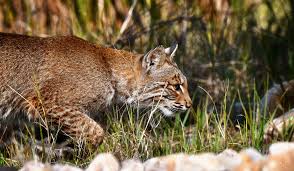
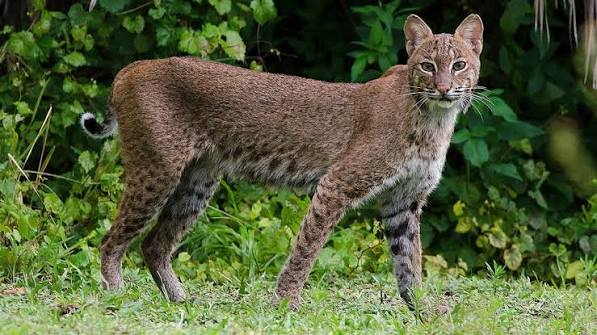
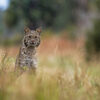
The other day I was out riding with my summer intern Cloe, when we saw something ahead on the trail. “Hey lets stop for a second, it kinda looks like that log has ears”. As soon as we stopped, the suspicious log stood up, with a matching one immediately popping out from the bushes behind it. They were two juvenile bobcats!
Though they were not little babies, it was clear they were young and hadn’t figured out how to be stealthy yet, as they crashed into the underbrush on the side of the trail. Luckily the horses weren’t phased, during or after they proceeded to crash into the bushes next to us.
The next day on the trails, we went out the west gate and almost immediately came across another, this time an adult, who looked at us and silently disappeared into the brush. Bobcats are typically pretty elusive so I knew when I had seen 3 in two days, that was a sign to make them my next species of the month.
Bobcats can be found all across North America from Canada to Mexico. They are an adaptable species that are typically twice the size of a house cat and can be found in rocky areas, swamps, forests and edges of urban areas. They weigh 15-35lbs and have distinctive tails that are only about 4-7inches long.
Their breeding season is in the winter and they typically have 2-4 kittens in the spring that stay with their mother until they are about a year old.
Bobcats are solitary as adults and tend to have a range of territory that is about 5 square miles.
The bobcats that live in Florida are a subspecies adapted to the warmer environment. They tend to be a little smaller than the northern variety, have thinner hair with a coat that camouflages in the palmettos and are consistently active year round. Their prey in Florida includes more reptiles as well.
Bobcats typically pose no threat to humans but may try to hunt small domesticated animals.
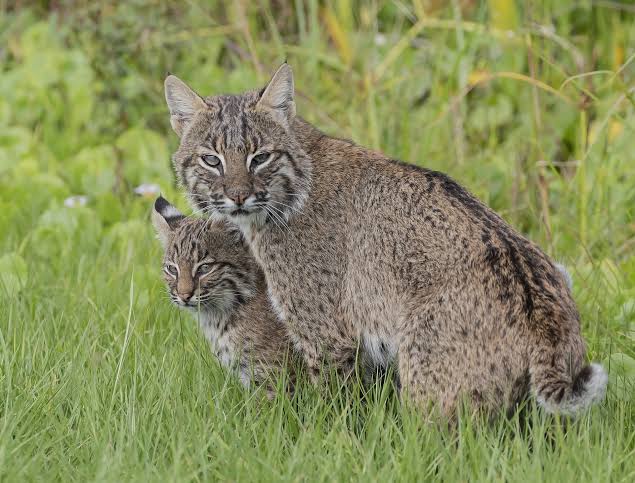
If you come across one in the forest, they will most likely disappear into the underbrush in the blink of an eye, but consider yourself lucky because even though they are out there, they are good at keeping hidden.
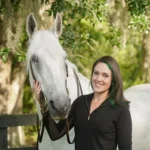
Emily Galka (shown with her horse Lisa) is Black Prong’s Trail Riding Manager and resident naturalist.