
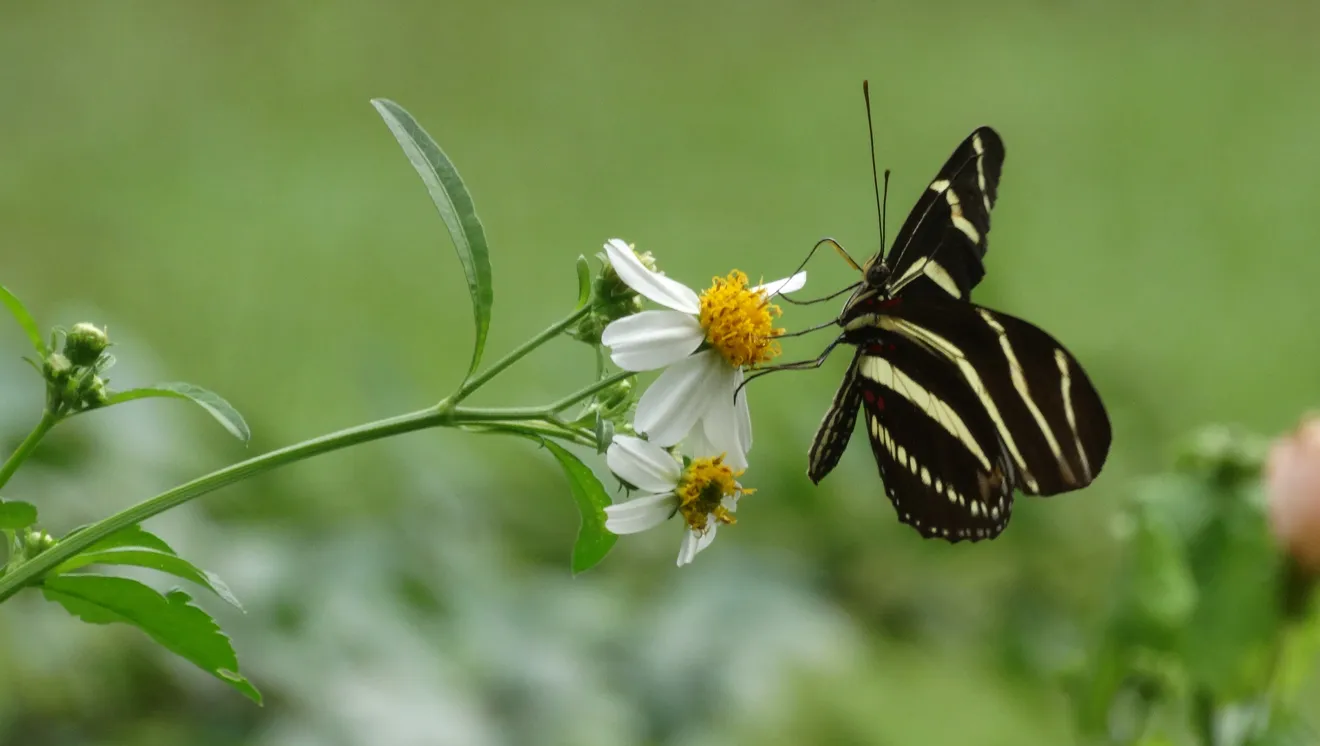
Each month Trail Manager, Emily Galka, highlights flora and fauna that she observes in the Goethe State Forest that surrounds the Black Prong Resort. Goethe State Forest Species of the Month: Zebra Longwing butterfly (Heliconius charithonia)
Each month Trail Manager, Emily Galka, highlights flora and fauna that she observes in the Goethe State Forest that surrounds the Black Prong Resort.
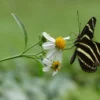
The wildflowers are in bloom along the sides of the limerock roads, and it seems like any ride guarantees sightings of half a dozen butterfly species fluttering among the asters and thistles. We usually spot a couple of swallowtails, monarchs, and their lookalikes—but the other day, one butterfly in particular caught my eye. It had long, narrow black wings marked with pale yellow stripes running both horizontally and vertically. It moved slowly from thistle to thistle, almost as if it were taking its time and enjoying the day. Curious, I searched for butterflies of Florida and found it right away: the zebra longwing. Yes, I’m serious—we really do name butterflies quite literally.
Zebra longwings are not only native to Florida, but they’re also the official state butterfly. They thrive in tropical environments and can be found throughout Central and South America, as well as Florida and parts of the southeastern United States during warmer months.
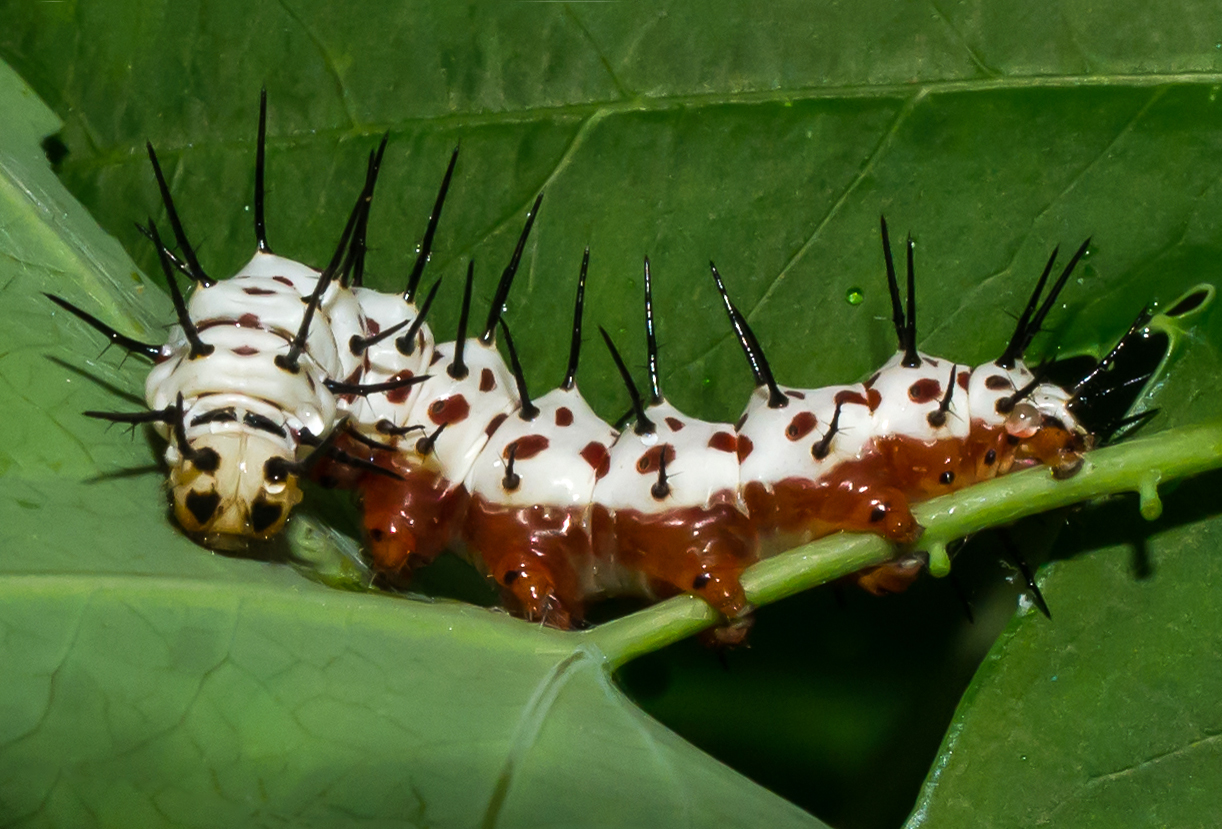
Their caterpillars rely on passionflower vines as host plants, and the adults use a fascinating pollination method called “trap-lining,” visiting the same sequence of flowers each day as if following a set route. Both the butterflies and their caterpillars (white with black spikes) use bright coloration to warn predators that they are distasteful due to the chemicals they carry. While this makes them unappealing to predators, they are harmless to humans. Unlike most butterflies, which feed only on nectar, zebra longwings can also digest pollen. This added source of protein allows them to live for several months—far longer than the typical few-week lifespan of most butterflies. At night, they gather to roost in groups, sometimes clustering up to 60 individuals on the same branch, returning to the same spot night after night.
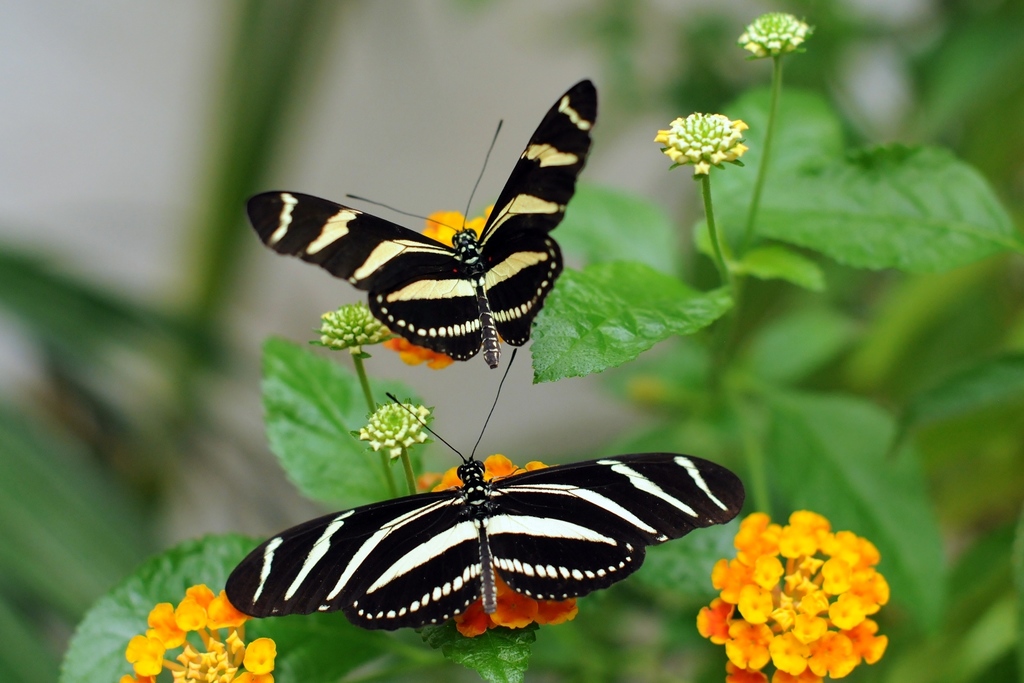
Next time you’re out in the Goethe, keep an eye out for these long-lived, route driven fliers—you might just catch them making their daily rounds from flower to flower

Emily Galka (shown with her horse Lisa) is Black Prong’s Trail Riding Manager and resident naturalist.