
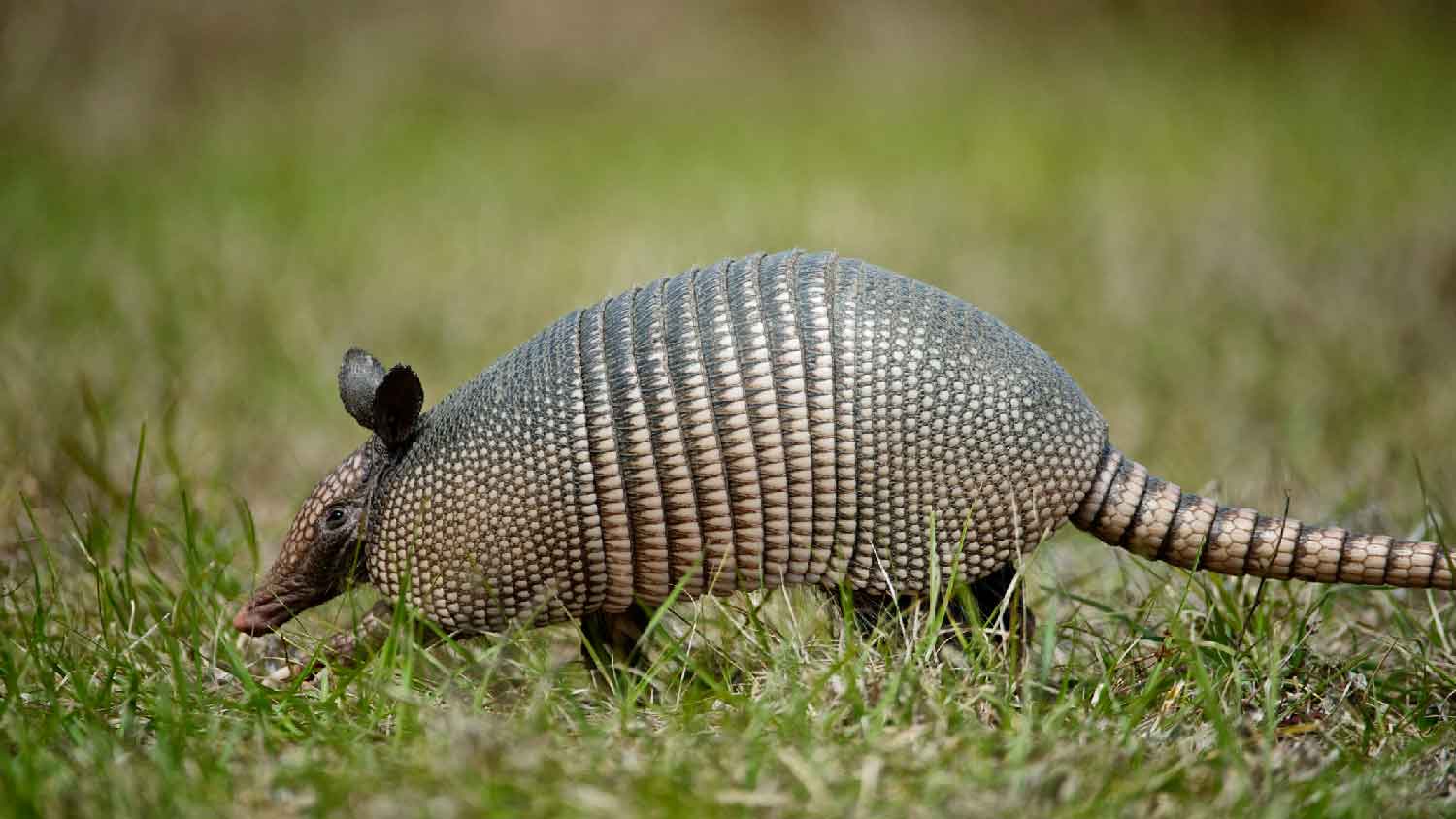
Each month Trail Manager, Emily Galka, highlights flora and fauna that she observes in the Goethe State Forest that surrounds the Black Prong Resort. Goethe State Forest Species of the Month: Nine-banded Armadillo (Dasypus novemcinctus)
Each month Trail Manager, Emily Galka, highlights flora and fauna that she observes in the Goethe State Forest that surrounds the Black Prong Resort.
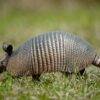
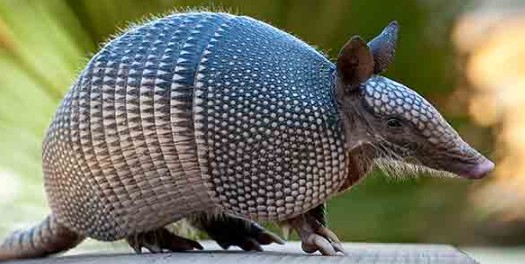
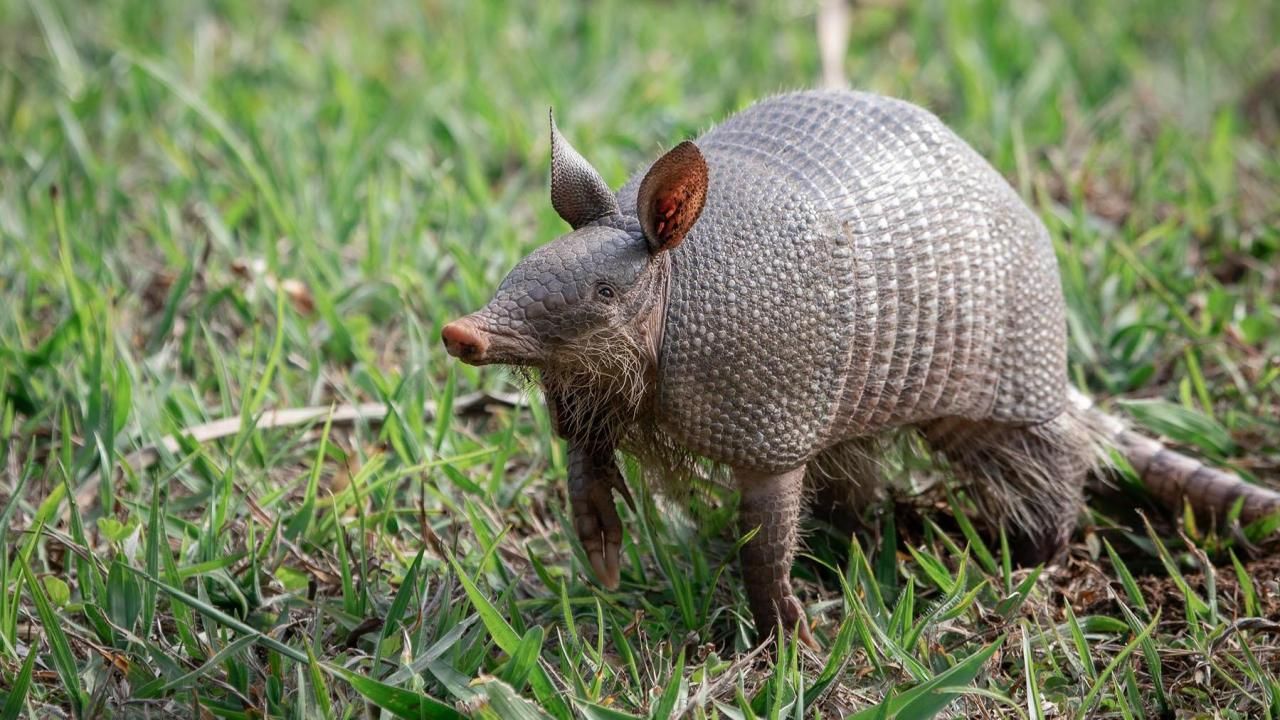
Going into winter, the trails are generally quieter, its usually too cold for the reptiles to be active but there is one animal that can be found scuttling around in the underbrush: the nine-banded armadillo. This type of armadillo is cat sized, a little over a foot long, not including the tail, and is between 8-17lbs. It is known for its distinctive look, comparable to a possum with a leathery shell, with nine breaks along the middle for flexibility, a pointed snout, claws for digging and poor eyesight.
Armadillos are originally from Texas but spread to Florida in the 1920s and 30s.They have been spreading throughout the North American southeast and are currently documented as far north as Illinois. They are mostly active at night but it’s not uncommon to see them at Black Prong or in the Goethe Forest during the day in the winter season.
Armadillos live in burrows and eat bugs they dig up from the ground. One of the biggest components to where they live is how easy it is to dig in the soil, which has allowed them to increase their range over the past hundred years.
Though many people think of armadillos as the kind to roll into a ball when they feel the need to be defensive, nine-banded armadillos are incapable of that, and are actually more likely to jump 3-4ft straight up in the air if startled.
Nine-banded armadillos typically live for 12-15 years and are mostly solitary creatures. They breed once a year and are known to consistently have identical quadruplets which live in the burrow for the first three months until they start foraging with their mothers for about 6 months to a year.
Armadillos are easy to sneak up on and can be caught by hand, some people eat them and say the meat is comparable to pork. They are one of the few animals that can carry leprosy and several other diseases that can be transferred to humans so if you see one it’s probably best not to touch one.
Though the trails are quiet for winter, you might just be lucky enough to see one of these odd little creatures out and about.

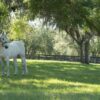
Emily Galka (shown with her horse Lisa) is Black Prong’s Trail Riding Manager and resident naturalist.